





Introduction: The News at a Glance
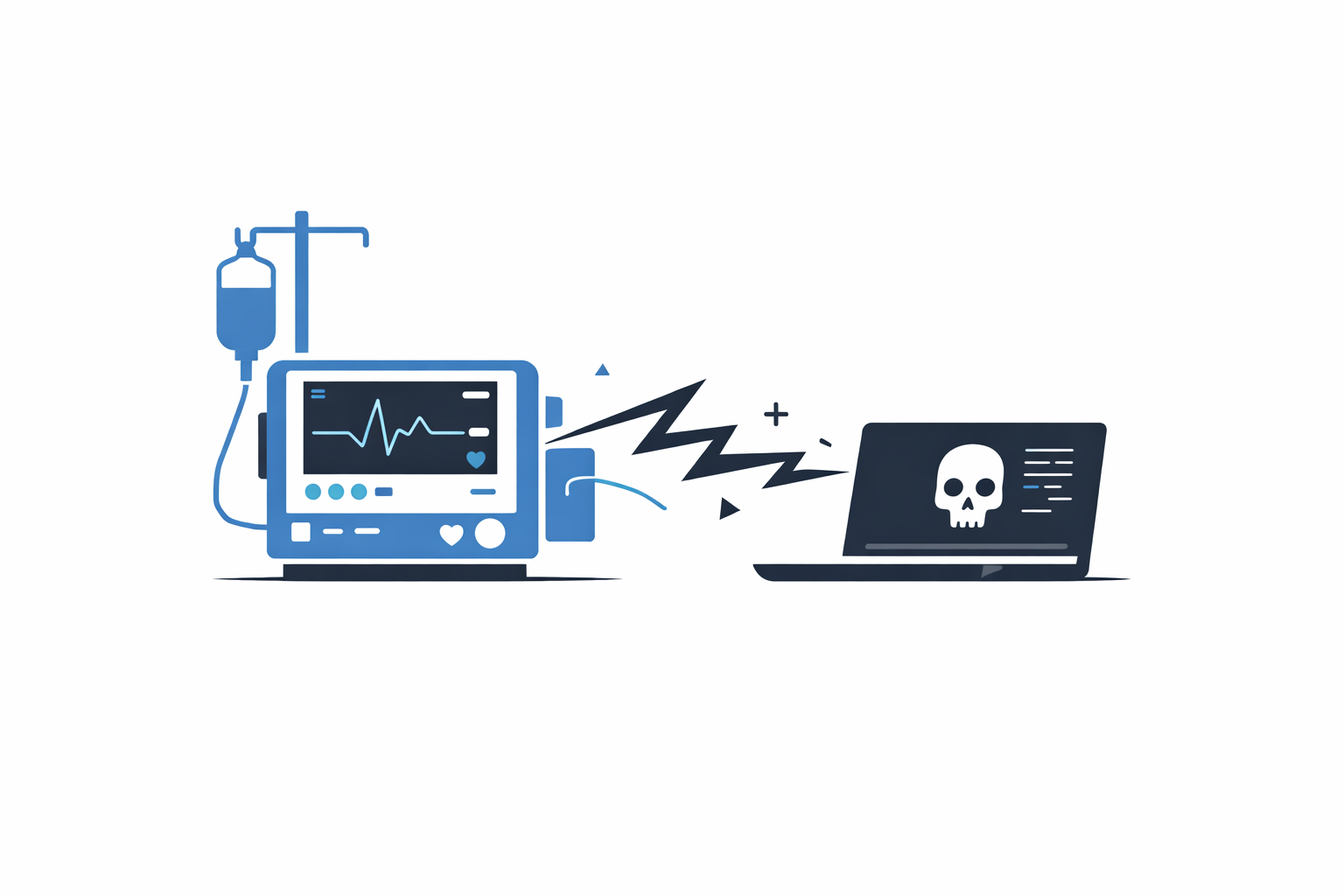
A critical Bluetooth security flaw dubbed WhisperPair has raised serious concerns across the cybersecurity and consumer electronics landscape. Discovered by Belgian cybersecurity researchers from COSIC at KU Leuven, the vulnerability affects Google’s widely used Fast Pair feature and potentially exposes millions of Bluetooth audio devices to unauthorized pairing, surveillance, and tracking. The researchers responsibly disclosed the issue to Google in August 2025, received a $15,000 reward through Google’s bug bounty program, and allowed vendors a 150-day window to develop and deploy fixes. Despite this, security experts warn that a large number of devices may still remain vulnerable in the wild.
What Is the WhisperPair Vulnerability?
WhisperPair exploits a protocol implementation flaw in Google’s Fast Pair technology, a feature Google designed to simplify Bluetooth pairing between accessories such as earbuds, headphones, and smartphones.
Under normal conditions, Fast Pair is supposed to reject pairing requests unless the accessory is explicitly placed in pairing mode by the user. WhisperPair breaks this assumption. Due to improper firmware implementation by many manufacturers, affected devices accept pairing requests even when they are not in pairing mode.
This turns Fast Pair into an unintended attack surface, allowing malicious actors nearby to silently establish a Bluetooth connection without user awareness or consent.
How the WhisperPair Attack Works
The WhisperPair attack exploits weak state validation at the application layer rather than breaking Bluetooth cryptography itself. The attack typically unfolds as follows:
- An attacker scans for nearby Fast Pair-enabled Bluetooth devices.
- The attacker sends a crafted pairing request.
- Vulnerable devices accept the request despite not being in pairing mode.
- A standard Bluetooth pairing session is established without user interaction.
Once paired, the attacker can interact with the device as if they were the legitimate owner. According to the researchers, this entire process can take less than 15 seconds and can be executed using commodity hardware such as a smartphone or laptop.
Real-World Impact and Attack Capabilities
After a successful WhisperPair attack, threat actors may gain extensive control depending on the device’s capabilities, including:
- Eavesdropping through built-in microphones
- Injecting or playing audio remotely
- Tracking users through Bluetooth identifiers and associated location services
- Persistently reconnecting to the device without further approval
KU Leuven researcher Sayon Duttagupta highlighted the severity of the threat by demonstrating how attackers could hijack headphones in public spaces and listen to ambient audio in real time.
Root Cause Analysis: Why This Happened
The core issue behind WhisperPair lies in design assumptions and weak enforcement:
- Google’s Fast Pair relies on firmware-level logic to verify pairing mode instead of cryptographic enforcement.
- Many manufacturers incorrectly implemented this logic, allowing pairing requests at any time.
- Google’s certification and validation tools failed to test for this specific misuse of the protocol.
- As a result, insecure devices passed certification and entered mass production.
This represents a classic case of security breakdown between protocol design, vendor implementation, and certification oversight.
Discovery and Responsible Disclosure
The vulnerability was uncovered by the COSIC research group at KU Leuven, a respected academic team specializing in cryptography and systems security. The flaw was reported to Google in August 2025 and later assigned a CVE identifier.
Google acknowledged the issue, rewarded the researchers through its bug bounty program, and coordinated a delayed public disclosure to allow time for mitigation efforts
Are Users Still at Risk?
Yes. While Google has updated Fast Pair requirements and shared guidance with manufacturers, the vulnerability resides in accessory firmware, not smartphones. This means:
- Devices require manufacturer-issued firmware updates.
- Many users may never receive or install these updates.
- Fast Pair cannot be fully disabled as a mitigation.
Security experts believe that a significant number of Bluetooth accessories in circulation remain exposed.
Response and Mitigation
For Manufacturers:
- Enforce strict pairing-mode checks in firmware.
- Implement stronger authentication mechanisms.
- Improve security testing before certification.
For Users:
- Install firmware updates via official companion apps where available.
- Avoid using Bluetooth accessories in sensitive environments if updates are unavailable.
- Be cautious when using audio devices in crowded public spaces.
Expert Commentary
The WhisperPair vulnerability underscores a broader industry issue: convenience-first design at the expense of security. While Fast Pair greatly improves usability, WhisperPair demonstrates how minor implementation oversights can lead to large-scale privacy and security risks.
Outlook
As Bluetooth accessories become more integrated into daily life, flaws like WhisperPair highlight the need for stronger protocol enforcement, better certification testing, and greater accountability across the supply chain. Without systemic improvements, similar vulnerabilities are likely to emerge again.
Sources
KULEUVEN – Hijacking the Bluetooth accessories : https://eng.kuleuven.be/en/news-calendar/news-items/hijacking-bluetooth-accessories-using-google-fast-pair
THE INDIAN EXPRESS – This is how hackers can hijack your earbuds to spy on you : https://indianexpress.com/article/technology/tech-news-technology/how-hackers-hijack-earbuds-fast-pair-google-report-10484918/?ref=technology_pg
PANDA SECURITY – Can hackers eavesdrop and track people via Bluetooth audio devices? : https://www.pandasecurity.com/en/mediacenter/can-hackers-eavesdrop-and-track-people-via-bluetooth-audio-devices/