


Introduction
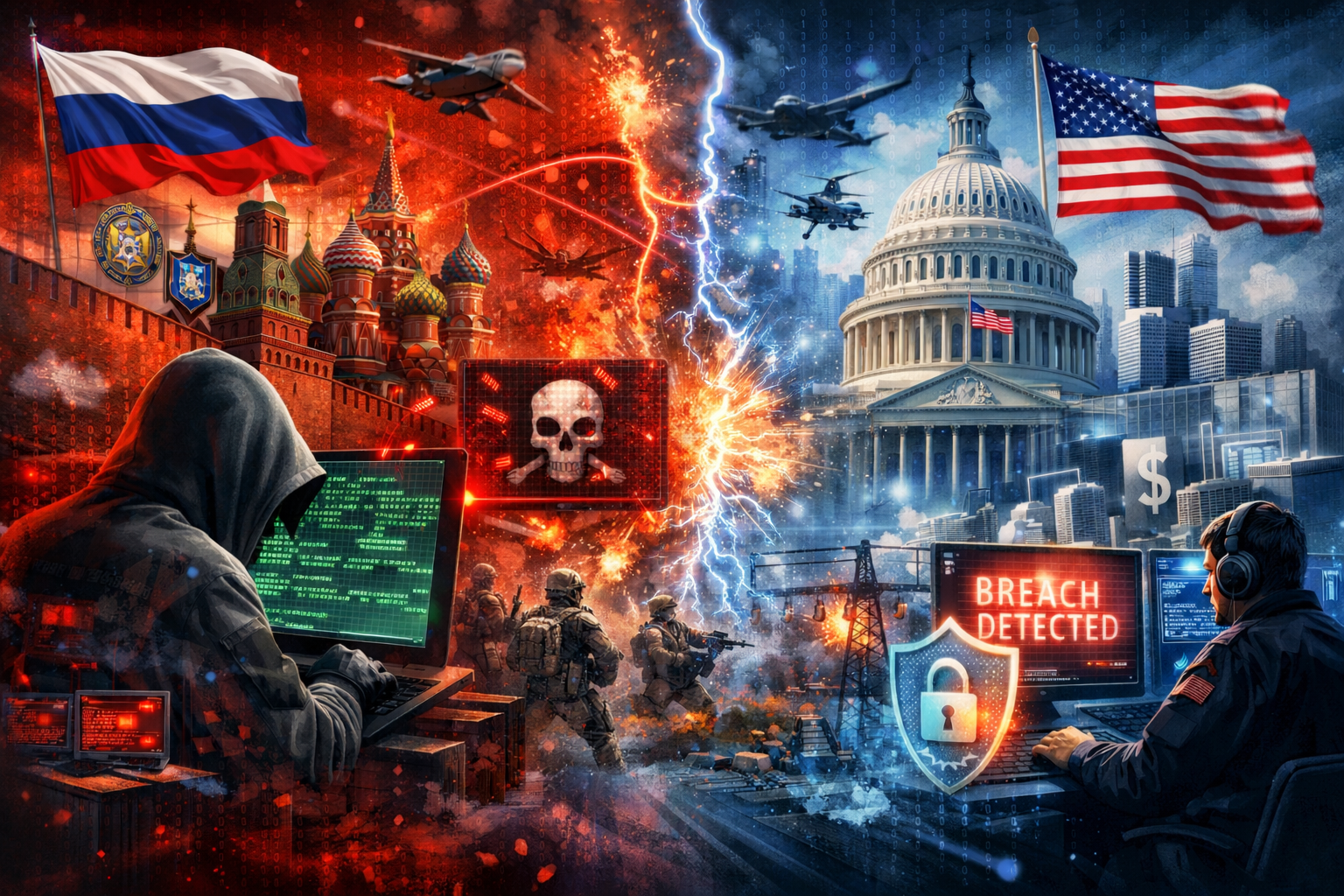
For more than three decades, the Russian Federation has systematically leveraged cyber capabilities as a core instrument of state power against the United States. Framed under Moscow’s doctrine of “information confrontation,” Russian cyber operations blend espionage, sabotage, and influence campaigns into a single strategic toolkit. As geopolitical tensions deepen, this sustained campaign poses escalating risks to U.S. national security, democratic institutions, and critical infrastructure.
Background and Strategic Context
Russia defines information confrontation as a form of interstate conflict that uses specialized tools to influence an adversary’s information resources while safeguarding its own, all in pursuit of political and military objectives. This doctrine predates the modern internet era and has evolved alongside Russian military thinking, integrating cyber operations directly into broader wartime planning.
The 2025 unclassified threat assessment from the U.S. Office of the Director of National Intelligence underscores this reality, warning that Russia’s proven ability to compromise sensitive targets, combined with its experience integrating cyber operations with kinetic military action, makes it a persistent and adaptive threat. Moscow’s cyber strategy is not theoretical; it is operational, practiced, and repeatedly tested against real-world targets.
Russia’s Global Cybercrime Footprint
In 2024, an international consortium of researchers published the first World Cybercrime Index, ranking Russia as the most significant global hub for cybercriminal activity by a wide margin. The findings reinforced long-standing intelligence assessments that Russia hosts a dense ecosystem of state-linked operators, criminal groups, and private sector entities that collectively enable large-scale cyber operations.
The United States remains the primary target. Over the past year alone, roughly one-fifth of all Russian-linked cyberattacks were directed at U.S. entities, followed by the United Kingdom and Ukraine. This pattern reflects both America’s strategic value and its expansive digital attack surface.
Timeline of Notable Russian Cyber Operations Against the U.S.
Russian cyber activity against the United States spans decades and includes several landmark incidents:
- Moonlight Maze Intrusion (late 1990s): Russian actors breached a university system and pivoted into U.S. government and military networks, exfiltrating sensitive data for years before detection.
- Department of Defense USB Malware Incident (2008): A single infected removable drive compromised multiple U.S. military systems, later described as the most damaging breach of Pentagon networks at the time. This incident directly contributed to the creation of United States Cyber Command.
- White House and State Department Breaches (2015): Highly sophisticated intrusions penetrated sensitive unclassified systems, alarming U.S. intelligence agencies.
- Election Interference Operations (2014–2016): A coordinated influence campaign used hacked materials and social media manipulation to undermine trust in the U.S. democratic process.
- Critical Infrastructure Probing (2018–present): Repeated attempts to access energy grids, transportation systems, and other high-value infrastructure targets.
Key Russian Threat Actors
Russian cyber operations are conducted through a mix of state agencies and affiliated private entities:
- Federal Security Service (FSB): Oversees counterintelligence and information security and plays a central role in domestic and foreign cyber operations.
- Foreign Intelligence Service (SVR): Focuses on external intelligence collection, including long-term cyber espionage campaigns.
- Main Directorate of the General Staff (GRU): Conducts military cyber operations, information warfare, and offensive actions aligned with Russian defense objectives.
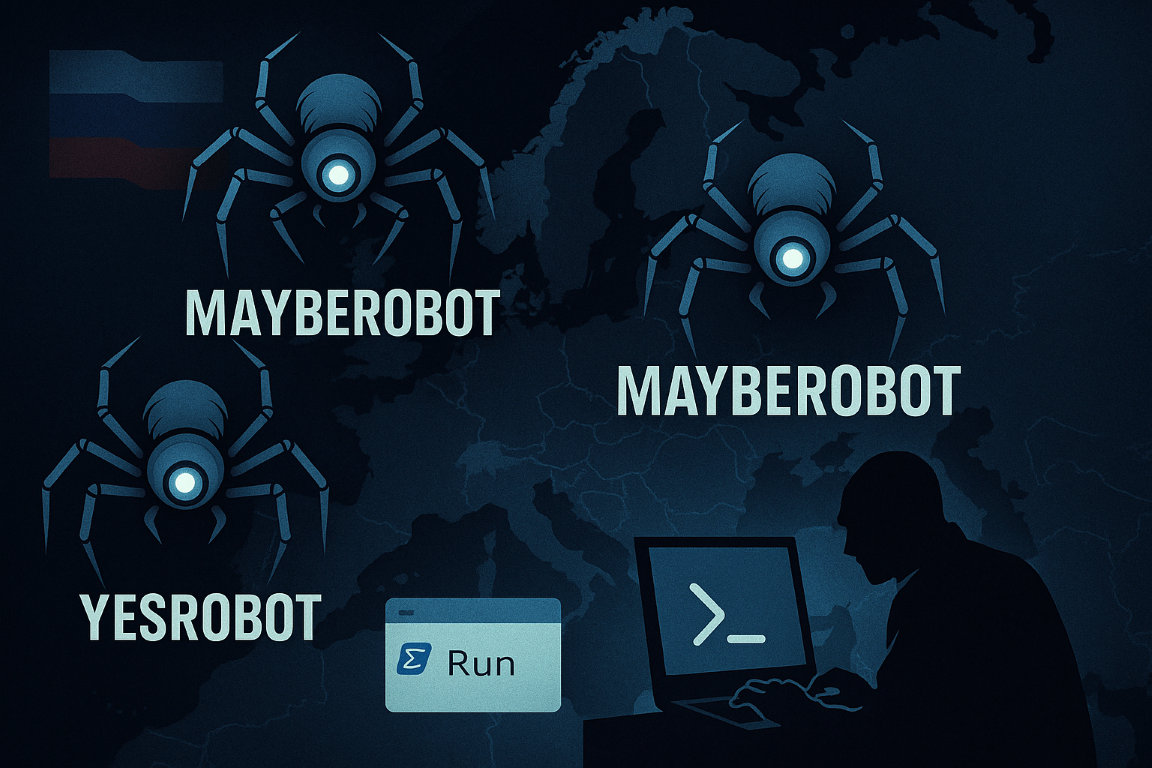
- Private Sector Enablers: Russian cybersecurity firms and contractors, including companies such as Positive Technologies, have been linked formally or informally to offensive cyber activities.
Impact and Risk Assessment
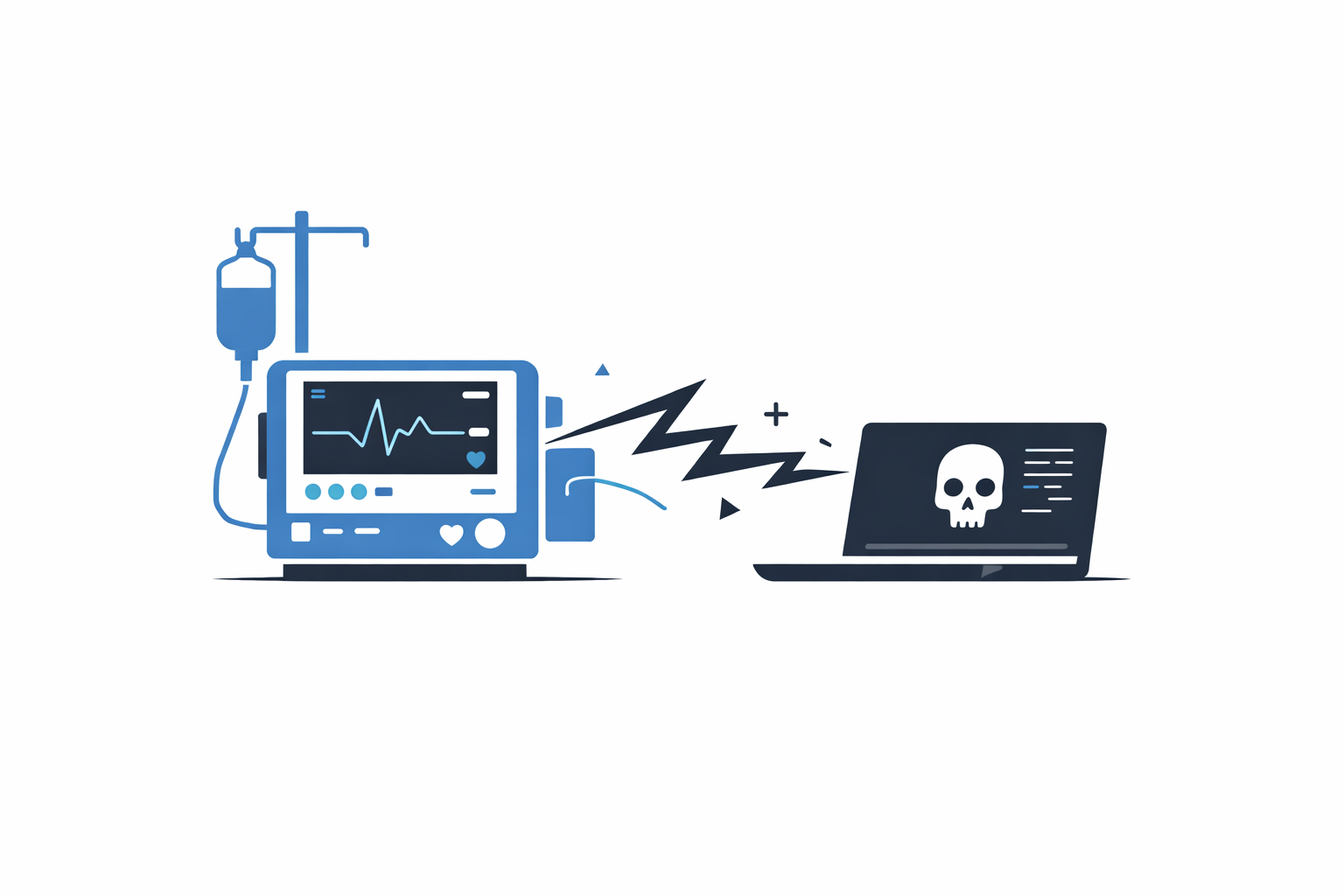
While many Russian cyber operations have focused on espionage and influence rather than outright destruction, the potential impact is severe. Economists at Goldman Sachs have warned that a successful cyberattack on U.S. critical infrastructure, particularly the Northeast power grid, could result in economic losses ranging from $250 billion to $1 trillion. Energy, finance, and transportation sectors are assessed as especially vulnerable due to their systemic importance.
U.S. Response and Countermeasures
The United States has employed a combination of defensive and punitive measures, including sanctions, indictments, diplomatic expulsions, and the exposure of Russian cyber operations. Washington has also led international frameworks designed to penalize malicious cyber activity and restrict access to global financial systems.
On the offensive side, U.S. cyber operations have at times disrupted Russian influence efforts, most notably the 2018 operation that temporarily impaired the Internet Research Agency’s ability to conduct online interference campaigns.
However, a significant shift occurred in March 2025 when the U.S. Secretary of Defense ordered a halt to offensive cyber operations against Russia. Critics argue that this decision weakened deterrence and signaled tolerance for continued hybrid warfare, emboldening not only Russia but other cyber-capable adversaries.
Structural Challenges in U.S. Cyber Defense
A core vulnerability in the American model is decentralization. Responsibility for cyber defense largely rests with individual organizations, creating uneven security standards across government, academia, and the private sector. This fragmentation enables adversaries to exploit smaller, less protected networks as stepping stones to high-value targets, a tactic repeatedly demonstrated in past intrusions.
By contrast, Russian doctrine emphasizes a unified approach that blends cybercrime, espionage, and cyber warfare into a single national security framework.
Outlook and Strategic Options
To counter Russian cyber aggression more effectively, analysts highlight several options:
- Restoring Offensive Cyber Operations: Reestablishing active cyber deterrence could raise the cost of malicious actions and disrupt adversary planning.
- Comprehensive Target Hardening: Strengthening defenses across all levels of government and critical infrastructure, including academic and research institutions, would reduce exploitable entry points.
- Centralized Coordination: A more unified national cyber defense posture could address systemic weaknesses and improve resilience against large-scale campaigns.
Conclusion
As of 2026, it is increasingly evident that Russian cyber operations represent a sustained strategic challenge rather than a series of isolated incidents. Without a firmer, more coordinated response, the United States risks normalizing hybrid warfare tactics that exploit legal ambiguity and decentralized defenses. In this environment, deterrence, resilience, and strategic clarity will determine whether Washington can close a critical gap in its national security posture.
Sources
- U.S. Department of Homeland Security – Critical Infrastructure Cybersecurity
https://www.cisa.gov/critical-infrastructure-security
https://www.cisa.gov/russia - Office of the Director of National Intelligence (ODNI) – 2025 Annual Threat Assessment (Unclassified)
https://www.dni.gov/index.php/gt2040-home/gt2040-assessment
https://www.dni.gov/files/ODNI/documents/assessments/ATA-2025-Unclassified.pdf - Kappos et al. (2023), PLOS ONE – “Mapping the global geography of cybercrime with the World Cybercrime Index”
https://journals.plos.org/plosone/article?id=10.1371/journal.pone.0297312
https://doi.org/10.1371/journal.pone.0297312.g001 - U.S. Department of Defense – History and Mission of U.S. Cyber Command
https://www.cybercom.mil/About/Mission-and-Vision/