



Introduction
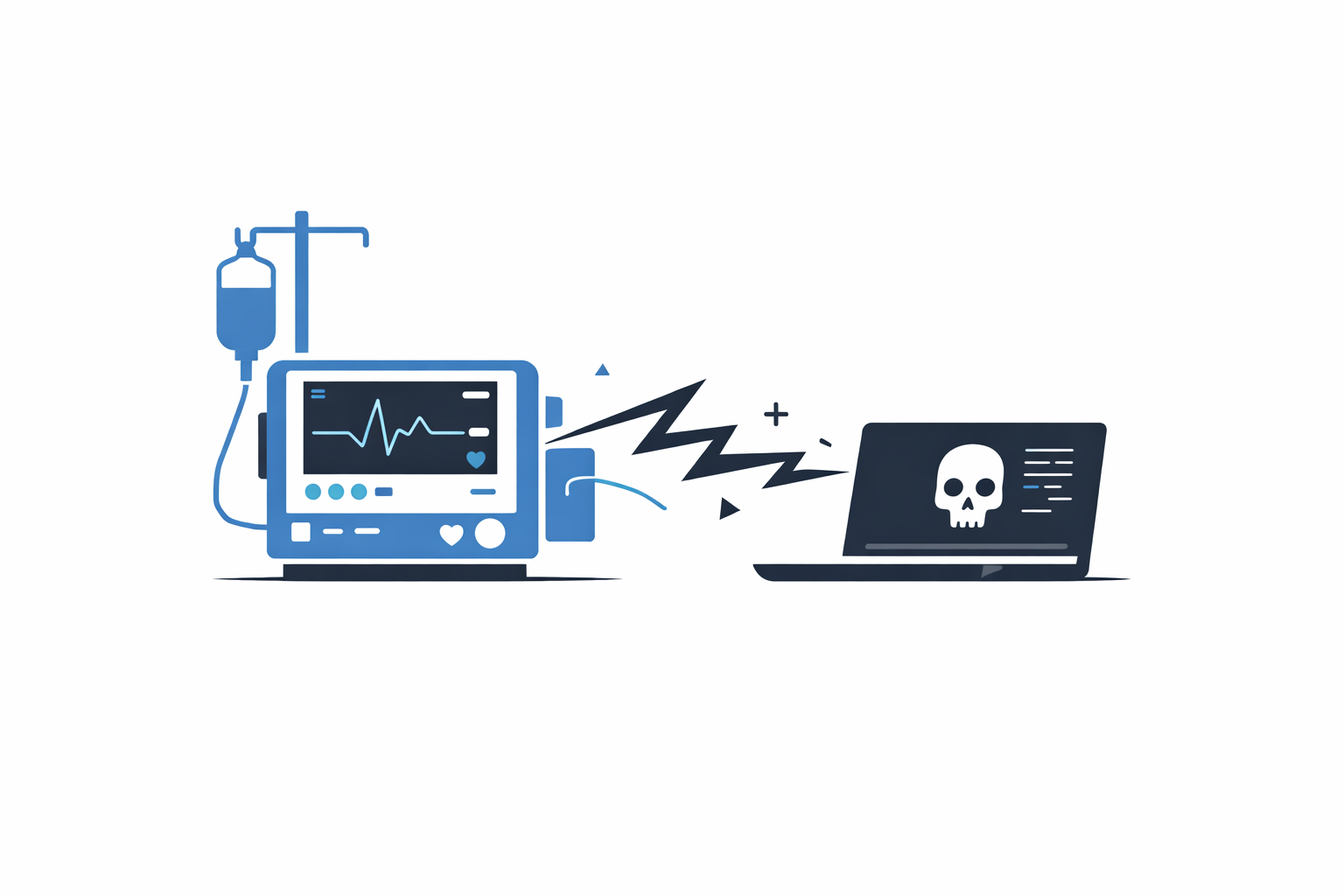
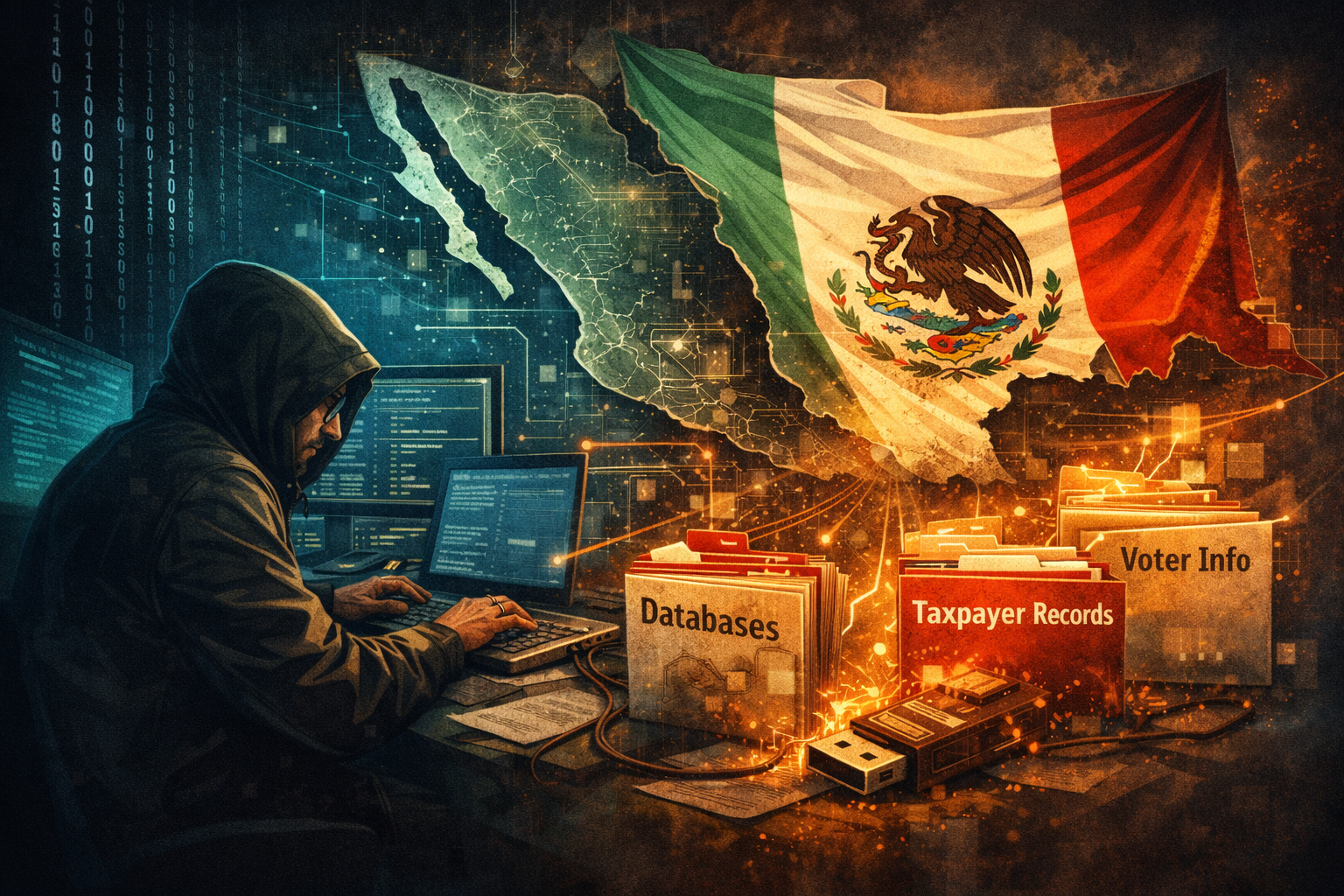
Data breaches have become one of the most disruptive threats in the digital era. Every day, millions of records containing personal, financial, and confidential information are exposed due to cyber incidents. While breach headlines often focus on the number of affected users, the real story lies in what actually happens behind the scenes when data is leaked. Understanding the lifecycle of a cyber breach helps individuals and organizations grasp the true scale of risk and the long-term consequences of compromised data.
This article provides a detailed, real-world breakdown of how data breaches unfold, from the first point of compromise to the aftermath that can persist for years.
Background and Context
Organizations today collect and store massive volumes of data to support digital services and business operations. This data often includes personally identifiable information, login credentials, payment details, medical records, and internal corporate data. Because of its value, such information is a prime target for cybercriminals who monetize stolen data through fraud, extortion, resale on underground forums, or use in future attacks.
A data breach occurs when unauthorized access to this data is gained through technical exploitation, human error, or third-party exposure. In many cases, the breach is not immediately detected, allowing attackers to operate silently for extended periods.
The Initial Compromise
The breach lifecycle typically begins with a single point of failure. This could be a phishing email that tricks an employee into revealing credentials, an unpatched software vulnerability, or a misconfigured cloud storage service. Once attackers exploit this weakness, they gain initial access to the system, often with limited privileges that appear harmless at first glance.
This early stage is critical because it sets the foundation for deeper infiltration.
Internal Exploration and Access Expansion
After gaining entry, attackers focus on expanding their access rather than stealing data immediately. They analyze the internal environment, identify valuable systems, and attempt to elevate their privileges. This process allows them to move laterally across networks, access databases, and disable or bypass security mechanisms designed to detect suspicious activity.
At this stage, attackers often blend in with legitimate users, making detection extremely difficult.
Data Identification and Exfiltration
Once sensitive data is located, attackers begin preparing it for extraction. This process may involve collecting data over time, compressing large datasets, and transferring information in small portions to avoid triggering alerts. In some cases, attackers encrypt the stolen data before exfiltration to ensure exclusive control and to support future extortion attempts.
The types of data stolen can range from customer records and employee information to proprietary business data and intellectual property.
Prolonged Undetected Presence
One of the most alarming aspects of real-world breaches is how long they can remain undetected. Many breaches go unnoticed for months because attackers use legitimate administrative tools, erase logs, or operate during normal business hours. During this time, stolen data may already be circulating on dark web marketplaces or being used for financial fraud and identity theft.
The longer the breach persists, the greater the damage becomes.
Breach Discovery
Discovery rarely happens in a controlled or planned manner. Organizations often learn about breaches through customer complaints, abnormal account activity, alerts from security researchers, or notifications from law enforcement agencies. In some cases, the first sign of a breach is when stolen data is publicly leaked or advertised for sale online.
By the time discovery occurs, the attackers have often completed their objectives.
Incident Response and Containment
Once a breach is confirmed, organizations must act quickly to contain the threat. This involves isolating affected systems, resetting credentials, blocking malicious connections, and deploying forensic tools to assess the scope of the incident. External cybersecurity specialists are frequently engaged to assist with investigation and remediation.
Effective containment limits further data loss and prevents attackers from maintaining access.
Investigation and Damage Assessment
Following containment, a detailed forensic investigation is conducted to understand how the breach occurred and what data was impacted. Investigators analyze logs, system activity, and network traffic to determine the timeline of events. This phase is often complex and time-consuming, especially in large organizations with distributed systems.
The outcome of this investigation directly influences regulatory reporting, legal exposure, and recovery strategies.
Notification and Regulatory Obligations
Many jurisdictions require organizations to notify affected individuals and data protection authorities within a specific timeframe. These notifications typically describe the nature of the breach, the types of data exposed, and the steps individuals should take to protect themselves. Failure to comply with disclosure requirements can result in severe penalties and legal action.
Transparency at this stage is critical for maintaining trust.
Impact on Individuals
For individuals, the consequences of a data breach can be long-lasting. Exposed data may lead to identity theft, fraudulent transactions, unauthorized account access, and targeted phishing attacks. Even if immediate damage is not visible, stolen data can resurface years later, creating ongoing privacy and security risks.
Victims are often forced to monitor financial accounts and credit reports indefinitely.
Impact on Organizations
Organizations affected by data breaches face financial, legal, and reputational damage. Costs may include regulatory fines, litigation, customer compensation, and investments in improved security controls. Beyond direct financial losses, breaches can erode customer trust and disrupt business operations, sometimes permanently.
In severe cases, data breaches have led to executive resignations and company shutdowns.
Response and Mitigation
Preventing and mitigating data breaches requires a layered security approach. Key measures include strong access controls, multi-factor authentication, continuous monitoring, employee security training, and regular vulnerability assessments. Organizations that prioritize incident preparedness and rapid response are far better positioned to minimize damage when breaches occur.
Cyber resilience has become a core business requirement rather than a technical afterthought.
Expert Commentary
Cybersecurity professionals consistently stress that data breaches are inevitable in a highly connected digital ecosystem. The defining factor is not whether a breach occurs, but how quickly it is detected and how effectively it is managed. Organizations that treat cybersecurity as a strategic priority are more likely to recover and retain trust after an incident.
Outlook
As attackers adopt more advanced techniques and target cloud environments, supply chains, and identity systems, data breaches will continue to increase in complexity. Organizations must evolve their defenses to match these threats, while individuals should remain vigilant about protecting their personal information.
Data security is no longer optional. It is a shared responsibility in an increasingly digital world.
Sources
- IBM Security
Cost of a Data Breach Report
https://www.ibm.com/security/data-breach - Verizon
Data Breach Investigations Report (DBIR)
https://www.verizon.com/business/resources/reports/dbir/ - ENISA (European Union Agency for Cybersecurity)
Threat Landscape and Data Breach Analysis
https://www.enisa.europa.eu/topics/threat-risk-management - NIST (National Institute of Standards and Technology)
Computer Security Incident Handling Guide (SP 800-61)
https://csrc.nist.gov/publications/detail/sp/800-61/rev-2/final - CISA (Cybersecurity and Infrastructure Security Agency)
Cyber Incident Response and Reporting
https://www.cisa.gov/incident-response - Ponemon Institute
Data Breach Research and Privacy Studies
https://www.ponemon.org/research - Krebs on Security
In-depth Reporting on Data Breaches and Cybercrime
https://krebsonsecurity.com - MITRE ATT&CK Framework
Adversary Tactics and Techniques Used in Data Breaches
https://attack.mitre.org - European Data Protection Board (EDPB)
Guidelines on Personal Data Breach Notification
https://edpb.europa.eu/our-work-tools/our-documents/guidelines_en - Dark Reading
Enterprise Security and Breach Analysis
https://www.darkreading.com