




Safer Internet Day 2026 arrives at a moment when childhood and the internet are no longer separate worlds. For today’s children, digital spaces are classrooms, playgrounds, libraries, and social circles rolled into one. That reality brings opportunity, but it also brings risk. From data tracking baked into apps to scams designed specifically for young users, the online environment has grown more complex and less forgiving than many parents realize.
This is not just about screen time anymore. It is about privacy, financial safety, mental well being, and long term digital footprints that can follow a child well into adulthood. The habits formed early often determine how safely and confidently children navigate technology later. Safer Internet Day 2026 is a reminder that digital safety is not a one time lesson, but an ongoing process that must evolve with technology itself.
Why Online Safety for Children Matters More in 2026
Children today encounter the internet earlier than any generation before them. Educational apps, online homework portals, multiplayer games, and social platforms all collect data. Much of that data is permanent, searchable, and sometimes tradable. A child’s name, voice, face, location, and behavior patterns can be logged long before they understand what privacy means.
Cybercriminals have noticed this shift. Phishing messages are now written in friendly language aimed at teenagers. In game scams promise free rewards in exchange for login details. Fake influencers and cloned accounts manipulate trust. Even well meaning platforms sometimes expose children to tracking, targeted content, or weak security controls.
Parents are often given generic advice such as “talk to your kids” or “use parental controls.” While well intentioned, that advice no longer covers the full threat landscape. Online risks in 2026 are shaped by algorithms, data brokers, cross platform identity tracking, and social engineering techniques that exploit curiosity and peer pressure.
Understanding the Modern Digital Threat Landscape for Kids
Social Engineering Over Technical Hacking
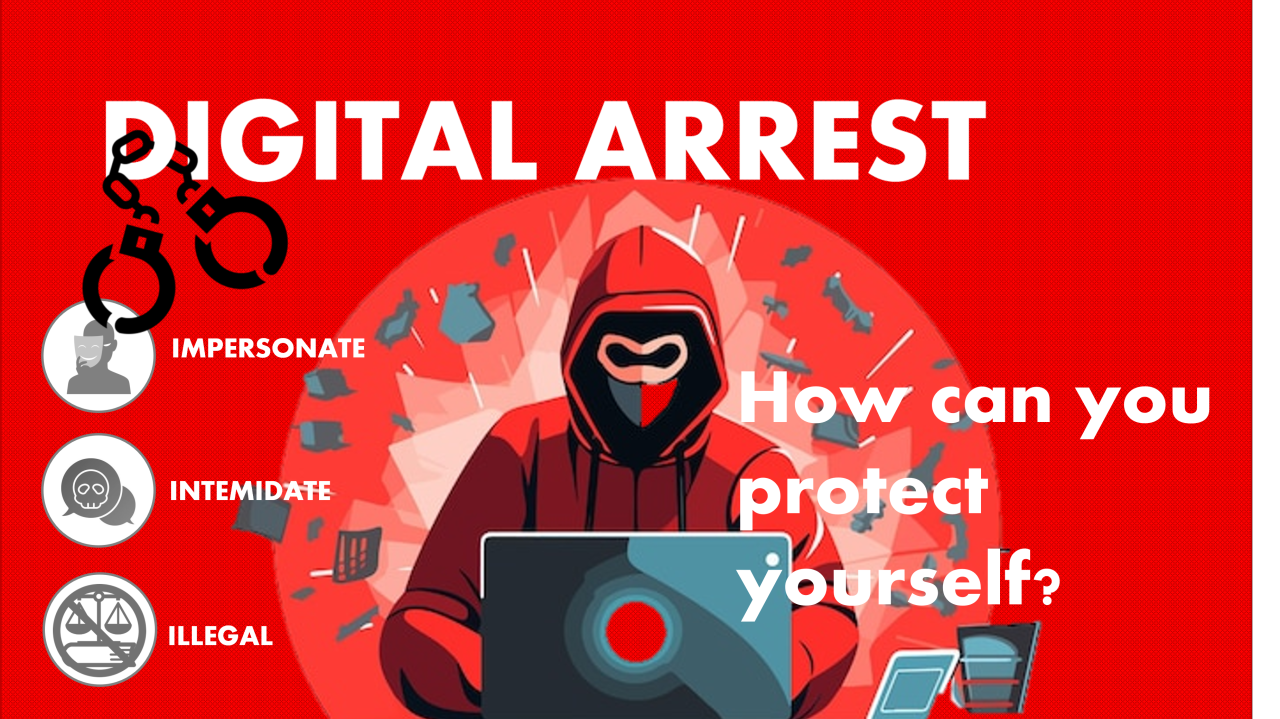
Most online threats targeting children do not rely on advanced hacking. They rely on persuasion. Attackers study how young users communicate and what they value. They impersonate friends, gaming moderators, or popular creators. A single convincing message can lead to account takeover or financial loss through saved payment methods.
Children are especially vulnerable because they tend to trust familiar interfaces. If a message appears inside a game or app they already use, it feels safe by default. This is why traditional warnings about suspicious links are no longer enough.
Data Collection and Invisible Tracking
Many free apps aimed at children generate revenue through data collection. This includes usage habits, device identifiers, and sometimes location data. Even when data is anonymized, repeated collection can rebuild detailed profiles over time.
Parents often focus on explicit dangers like strangers, but overlook quiet risks like excessive data sharing. These practices can influence advertising, content recommendations, and even future opportunities tied to digital reputation.
The Long Memory of the Internet
Children experiment online. They post, comment, and share without thinking long term. Screenshots, archives, and search engines rarely forget. A joke, photo, or argument from early adolescence can resurface years later in academic or professional contexts.
Teaching children that online actions have lasting consequences is now as important as teaching them not to talk to strangers.
Why Old Internet Safety Advice Falls Short
The internet of 2026 is adaptive. Platforms change interfaces frequently. Privacy settings move or reset. New features appear without clear explanations. Advice that worked five years ago may now create a false sense of security.
For example, telling a child to keep profiles private does not help if the platform still tracks behavior internally or shares data with third parties. Advising them not to click unknown links does not address risks that arrive through trusted contacts whose accounts were compromised.
Effective online safety today requires a combination of technical awareness, behavioral guidance, and ongoing involvement from parents.
Practical Steps Parents Can Take to Protect Children Online
Build Digital Literacy, Not Just Rules
Rules alone often fail when children encounter situations not covered by them. Instead, focus on digital literacy. Explain how platforms make money, why scammers exist, and how data travels online. When children understand motives, they make better decisions independently.
Use real examples from news or everyday experiences. Discuss how a fake reward in a game works or why a quiz app asks unnecessary questions. Curiosity guided by context is safer than blind restriction.
Treat Devices as Shared Responsibility
Children’s devices should not be treated as private islands disconnected from adult oversight. This does not mean constant surveillance, but it does mean shared responsibility.
Set up devices together. Review app permissions as a routine activity. Explain why certain permissions are unnecessary. Keep operating systems and apps updated to reduce exposure to known vulnerabilities.
Use built in parental controls where appropriate, but do not rely on them alone. Controls are tools, not substitutes for conversation.
Strengthen Account Security Early
Many children reuse simple passwords across platforms. This creates a single point of failure.
Help children understand password hygiene in age appropriate terms. Encourage unique passwords for important accounts and explain why password sharing, even with friends, is risky. Where possible, enable two step verification and explain how it adds protection.
For younger children, parents should manage credentials. For older children, gradually transfer responsibility while staying available for support.
Normalize Reporting and Recovery
Children often hide mistakes out of fear of punishment. This is dangerous in cybersecurity contexts where fast response matters.
Make it clear that reporting suspicious messages, accidental clicks, or uncomfortable interactions will not lead to blame. Focus on fixing the issue together. Show them how to block, report, and recover accounts.
Teach basic response steps such as changing passwords, logging out of unknown sessions, and informing a trusted adult immediately.
Be Selective About Platforms and Trends
Not every trending app is necessary or safe. Before allowing new platforms, parents should review privacy policies, moderation practices, and default settings.
Ask simple questions. What data does this app collect. Who can contact users. How easy is it to report abuse. A short evaluation can prevent long term problems.
Children are more accepting of limits when reasons are explained clearly rather than imposed abruptly.
Preparing Children for a Lifetime of Digital Safety
Safer Internet Day 2026 is not about eliminating risk. That is impossible. It is about equipping children with judgment, resilience, and awareness. Technology will continue to evolve. New threats will emerge. The most effective defense is a mindset that questions, verifies, and adapts.
Parents do not need to be cybersecurity experts. They need to be engaged, informed, and willing to learn alongside their children. Small, consistent actions have more impact than one time interventions.
A safer internet starts at home, not with fear, but with understanding. By treating digital safety as an essential life skill, parents can help children grow into confident users who know how to protect themselves in an increasingly connected world. For ongoing insights, practical guides, and responsible reporting on technology and cybersecurity, DailyBreach.in remains committed to being a trusted resource in an uncertain digital age.
Sources
- Better Internet for Kids – Safer Internet Day 2026
https://better-internet-for-kids.europa.eu/en/saferinternetday (Global context on Safer Internet Day and its focus on digital safety) - British Council Safer Internet Day Guide for Kids
https://learnenglishkids.britishcouncil.org/read-write/magazine/safer-internet-day (Basic safe online behavior advice for children) - UNICEF – Keeping Children Safe Online
https://www.unicef.org/protection/keeping-children-safe-online (Risks children face online and parental guidance) - Save the Children UK – Children’s Online Safety Advice
https://www.savethechildren.org.uk/what-we-do/parent-hub/children-online-safety (Practical online safety guidance for parents) - National Society for the Prevention of Cruelty to Children – Online Safety
https://www.nspcc.org.uk/keeping-children-safe/online-safety/ (Comprehensive resources on various online risks)