





Introduction
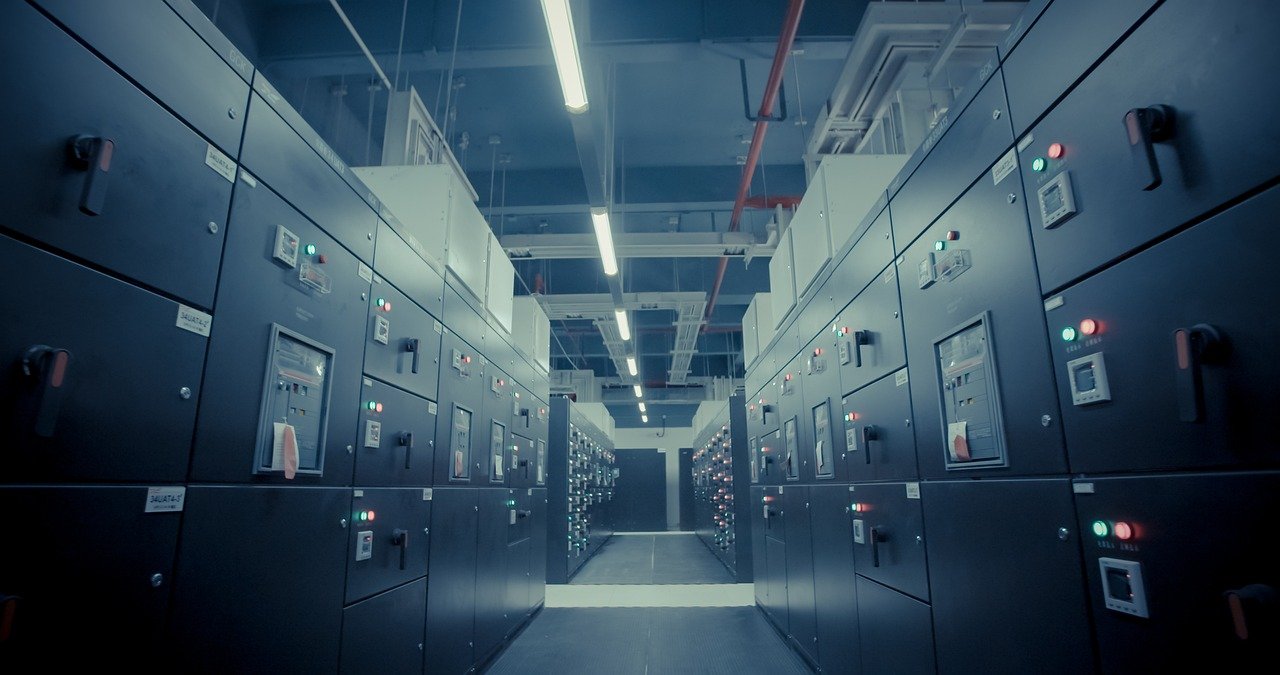
Artificial intelligence infrastructure is poised to become India’s next major employment engine, mirroring the massive job creation unleashed by the internet era. This is the view of Jensen Huang, CEO of Nvidia, who believes that large-scale AI data centres can transform India’s workforce and industrial landscape.
Background and Policy Context
Huang’s comments follow a significant policy signal from India’s government. Finance Minister Nirmala Sitharaman announced in Budget 2026 that foreign companies operating data centres in India will be eligible for a tax holiday until 2047. The move is designed to position India as a global hub for AI infrastructure and cloud services.
Employment Impact Beyond Construction
Speaking at the 3DExperience World event in Houston, Huang explained that while direct employment at a single data centre may range from 5,000 to 10,000 workers, the broader employment effect is far larger.
According to him, data centre projects activate an extensive ecosystem that includes electricians, plumbers, construction workers, and engineers, as well as suppliers of concrete, steel, power systems, cooling technologies, and network equipment. Design firms, architects, project managers, and logistics providers also benefit, creating a wide upstream employment base.
The Downstream AI Economy
Huang stressed that the real long-term value lies downstream. Once operational, data centres support permanent roles in operations, maintenance, cybersecurity, and energy management. More importantly, they become platforms on which startups and enterprises build AI-driven products and services.
He compared this effect to India’s internet revolution over the past two decades, noting that digital connectivity created millions of jobs across IT services, e-commerce, fintech, and digital media. In his assessment, AI has the potential to generate a similar ripple effect across industries.
Industry and Government Alignment
India’s technology leadership has echoed this optimism. IT Minister Ashwini Vaishnav has described data centres as a strategic national strength that can enable India to deliver advanced digital services globally.
Global technology firms are already committing substantial capital. Google has announced a $15 billion investment in an AI data centre project in Andhra Pradesh, while Microsoft and Amazon have pledged billions more to expand their Indian data centre operations.
AI as the Next Industrial Foundation
Huang described artificial intelligence as foundational infrastructure for the next phase of global economic growth. In his view, AI will become as essential as electricity, water, and the internet, underpinning every industry and powering national competitiveness.
This perspective comes amid ongoing debate over automation and job displacement. While AI is expected to change the nature of work, India’s strategy focuses on capturing value across infrastructure, services, and innovation, rather than limiting adoption.
Outlook
The Indian government estimates that extended tax incentives could attract up to $200 billion in data centre investments over the coming decades, significantly strengthening the country’s AI ecosystem. India is also preparing to shape global AI governance and policy, with New Delhi set to host the India AI Impact Summit in February 2026, bringing together policymakers, industry leaders, and researchers.
If Huang’s assessment proves accurate, AI data centres may do for India in the coming decades what the internet did in the early 2000s, unlocking large-scale employment, new industries, and sustained economic transformation.
Sources
- Nvidia CEO on AI Data Centres and Job Creation in India
Coverage of Jensen Huang’s remarks at the 3DExperience World event highlighting the employment impact of AI infrastructure.
https://www.reuters.com/world/india/ai-data-centres-can-recreate-internet-era-job-boom-india-says-nvidia-ceo-2025-01- - Union Budget 2026: Tax Holiday for Data Centres Until 2047
Details on Finance Minister Nirmala Sitharaman’s announcement regarding tax incentives for foreign companies operating data centres in India.
https://www.thehindu.com/business/budget/union-budget-2026-data-centres-tax-holiday-until-2047/article - India Positioning Itself as a Global AI and Data Centre Hub
Analysis of India’s strategy to attract global AI and cloud investments through policy support and infrastructure development.
https://www.business-standard.com/technology/india-emerges-as-global-data-centre-hub-ai-cloud-investments - Google Announces $15 Billion AI Data Centre Investment in India
Report on Google’s planned AI data centre project in Andhra Pradesh.
https://www.cnbctv18.com/technology/google-invest-15-billion-ai-data-centre-andhra-pradesh- - Microsoft and Amazon Expand Data Centre Footprint in India
Coverage of hyperscaler investments by Microsoft and Amazon Web Services in India.
https://www.livemint.com/technology/tech-news/microsoft-amazon-aws-data-centre-investments-india - Ashwini Vaishnaw on Data Centres as Strategic National Strength
Statements from the IT Minister on India’s data centre and digital services ambitions.
https://www.pib.gov.in/PressReleasePage.aspx?PRID= - India AI Impact Summit 2026 Announcement
Information on India hosting a global AI summit to shape international AI discourse.
https://www.meity.gov.in/ai-impact-summit-2026