





Introduction
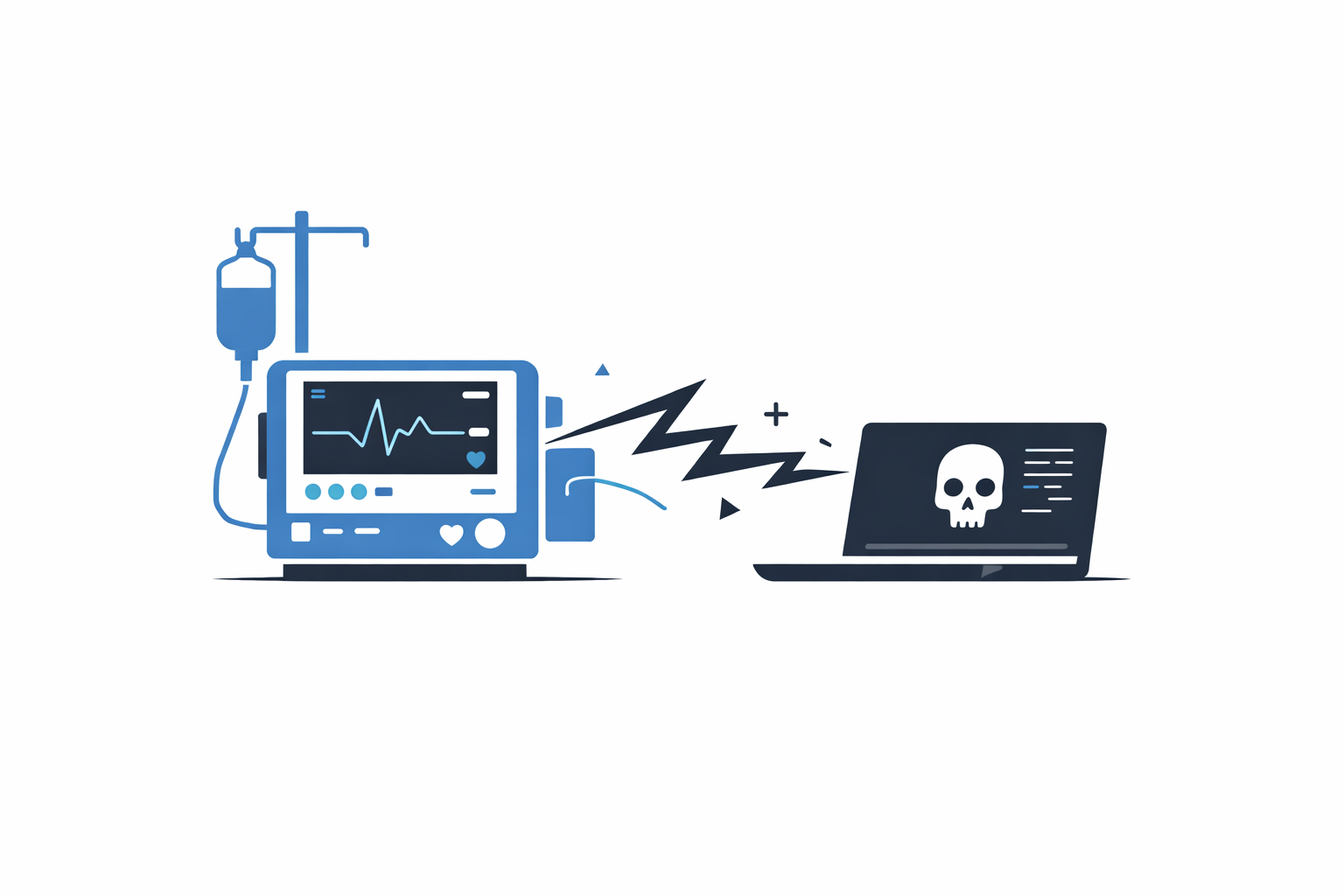
A joint security audit by Google Cloud Security and Intel has uncovered critical vulnerabilities in Intel’s Trust Domain Extensions (TDX) technology—hardware features designed to enforce strong isolation for confidential computing workloads in cloud and multi-tenant environments.
Background / Context
Intel TDX is a confidential computing technology that creates hardware-isolated Virtual Machines (Trust Domains or TDs) to provide strong confidentiality and integrity protections, even against potentially compromised hypervisors or insiders. It underpins confidential computing offerings from major cloud providers, including Google Cloud, Microsoft Azure, and Alibaba Cloud.
Findings from the Audit
Over five months of cooperative analysis in 2025, Google’s security researchers together with Intel’s internal teams performed manual code reviews and advanced tooling on TDX Module 1.5—the core code responsible for TDX’s high-level operations. This review surfaced:
- Five confirmed security vulnerabilities, now tracked under CVEs such as CVE-2025-32007, CVE-2025-27940, CVE-2025-30513, CVE-2025-27572 and CVE-2025-32467.
- Approximately 35 additional bugs, weaknesses, and suggestions for improving TDX’s security posture.
- One vulnerability in particular, CVE-2025-30513, was identified as capable of fundamentally undermining TDX’s security guarantees.
Technical Details
The most severe issue, CVE-2025-30513, exploits a race condition during migration of Trust Domains. In a time-of-check to time-of-use (TOCTOU) scenario, a malicious or compromised host can manipulate a Trust Domain’s attributes during the migration process—transforming it from a secure (non-debuggable) state into one that exposes the entire decrypted TD memory state. Once converted, an attacker could extract secret data, reconstruct the TD elsewhere, or observe its operation.
Impact / Severity
This flaw effectively allows a host with sufficient privileges to fully compromise the security guarantees of an Intel TDX trust domain, defeating hardware-enforced isolation that’s supposed to protect sensitive workloads. The risk spans confidential cloud workloads and any scenario where TDX hardware isolation is relied upon to protect code and data.
Response / Mitigation
Intel has issued patches and technical advisories addressing all identified vulnerabilities. Users and service operators running Intel TDX must apply the security updates and firmware revisions released by Intel.
Expert Commentary
This audit underscores that even advanced hardware security technologies are not immune to subtle implementation flaws. Collaborative reviews like this one—pairing vendor engineers with external researchers—are increasingly vital for identifying deep-seated issues before attackers do.
Outlook
Confidential computing continues to be a strategic priority for cloud security, yet these findings illustrate that ongoing scrutiny and hardening are essential. Hardware-based isolation offers powerful defenses, but secure implementation and lifecycle maintenance remain critical to trust.
Sources
- SecurityWeek coverage of the issue, describing the audit findings and the severe CVE impact.
https://www.securityweek.com/google-intel-security-audit-reveals-severe-tdx-vulnerability-allowing-full-compromise/ - Google’s security review bulletin listing affected CVEs including CVE-2025-30513 and other TDX bugs.
https://docs.cloud.google.com/support/bulletins