



Introduction
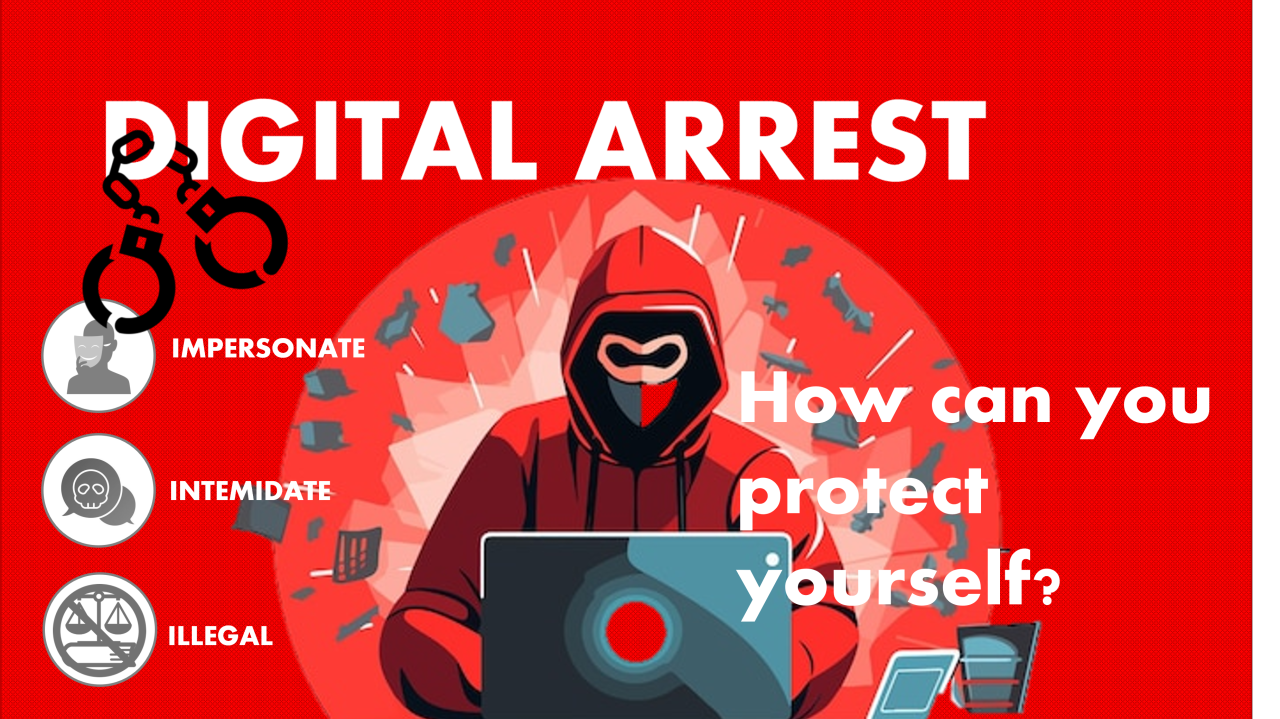
Amid a sharp rise in sophisticated online frauds, Uttar Pradesh Chief Minister Yogi Adityanath has issued a clear public warning that no law in India recognizes something called a “digital arrest.” The Chief Minister cautioned citizens against panic-driven responses to cybercriminals who misuse legal terminology to extort money and personal information.
Background and Context
Cybercriminals across the country are increasingly exploiting fear by impersonating police officers or central government officials. Using video calls, messaging platforms, and forged documents, scammers attempt to convince victims that they are under investigation and must comply immediately to avoid arrest.
CM Yogi emphasized that such tactics are entirely fraudulent and have no legal basis whatsoever.
Official Clarification: No Concept of Digital Arrest
The Chief Minister categorically stated that:
- No police force or government agency conducts arrests over video calls.
- No authority demands money transfers, screen sharing, or instant online payments as part of any investigation.
- The term “digital arrest” is a fabricated scare tactic used solely for fraud.
Citizens were urged to ignore such threats and report them without fear.
Strengthening Cybercrime Response in Uttar Pradesh
Highlighting institutional progress, the Chief Minister noted that Uttar Pradesh has significantly enhanced its cybercrime enforcement capabilities:
- The state earlier had only two cybercrime police stations.
- All 75 districts now operate dedicated cyber police units.
- Cyber help desks are functional at every police station to provide immediate assistance.
These measures, supported by improved surveillance tools and inter-agency coordination, have accelerated investigations and response times.
Common Scams and Techniques Used
Authorities have observed recurring patterns in recent cases, including:
- Claims of involvement in money laundering or drug trafficking cases.
- Impersonation of officials from enforcement or central agencies.
- Forced “virtual detention” on prolonged video calls.
- Pressure to share screens or transfer funds immediately.
Experts warn that as digital payments expand, fraudsters are continuously refining these methods.
Social Media Risks and Data Exploitation
The Chief Minister also warned about excessive and careless social media sharing. Publicly available photos, videos, and live location updates are often mined by criminals to build detailed profiles of victims, later used for fraud, stalking, or blackmail.
Simple Safety Measures for Citizens
To reduce risk, citizens were advised to follow basic cyber hygiene:
- Never share OTPs, passwords, or banking details.
- Avoid suspicious links and unknown mobile applications.
- Always verify the identity of callers or messages claiming official authority.
- Report cyber fraud immediately.
Victims or potential victims should contact the National Cyber Crime Helpline at 1930 or file an online complaint without delay. Early reporting significantly improves the chances of fund recovery.
Expert Commentary and Outlook
Cybersecurity experts stress that while law enforcement infrastructure is improving, public awareness remains the most effective defense. Education, vigilance, and timely reporting are critical in countering fast-evolving digital fraud ecosystems.
Calling for collective responsibility, the Chief Minister urged citizens to spread awareness, especially among senior citizens, women, and students.
Final Advisory
“Do not panic if someone threatens you, demands money, or uses the term ‘digital arrest’. Report it immediately on 1930 and inform the police without fear,” the Chief Minister said, reinforcing that confidence and awareness are the strongest shields against cybercrime.